(Written Commentary Submitted for Consideration During the January 2027 Budget Session)
To: Members of the House Appropriations Committee and Senate Finance & Appropriations Committee
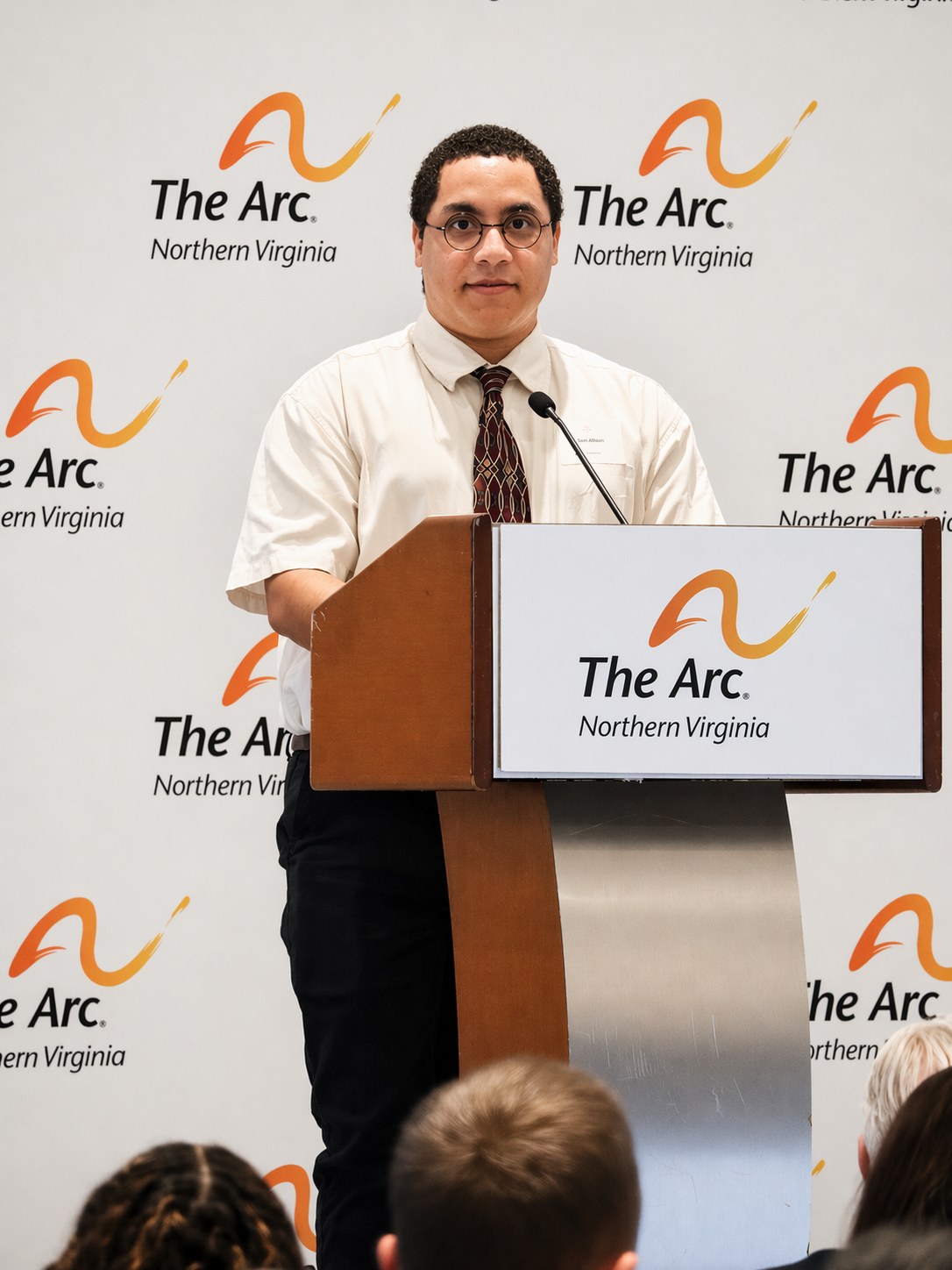
From: Ian Allan
Disability and Neurodivergent Self-Advocate
Co-Founder and Columnist, From the Self-Advocate’s Desk (The Arc of Northern Virginia)
Date: July 29, 2026
Requested Action: Fiscal Year 2027 Budget Amendment
Introduction
Thank you for the opportunity to provide written commentary regarding a behavioral health budget priority that would further strengthen Virginia’s crisis response system while supporting individuals experiencing psychiatric emergencies, local law enforcement, hospital emergency departments, and communities across the Commonwealth.
Virginia has demonstrated a significant commitment to modernizing behavioral health services through the Commonwealth’s Right Help, Right Now initiative. Investments in mobile crisis teams, Crisis Receiving Centers (CRCs), Crisis Stabilization Units (CSUs), and other community-based services have transformed the way many Virginians access behavioral health care during times of crisis.
These investments have established a strong foundation. The next step is ensuring that every Virginian, regardless of where they live, can benefit from a consistently accessible, timely, and clinically appropriate crisis response system.
This budget amendment represents an opportunity to build upon the Commonwealth’s existing behavioral health transformation by encouraging greater consistency in crisis response across Virginia’s Community Services Boards.
The Challenge
When an individual experiences an acute behavioral health emergency, every minute matters.
Whether someone enters the crisis system through an Emergency Custody Order (ECO), a Temporary Detention Order (TDO), a law enforcement encounter, a hospital emergency department, or another referral pathway, they should have timely access to appropriate behavioral health services.
Yet significant variation continues to exist among Virginia’s forty Community Services Boards.
Differences in staffing capacity, operational resources, admission procedures, and facility capabilities can result in unnecessary delays before individuals receive appropriate crisis care—particularly when they present with high behavioral acuity, co-occurring substance use disorders, or other complex clinical needs.
These delays create ripple effects throughout the Commonwealth.
Individuals experiencing psychiatric emergencies remain in hospital emergency departments that are not designed to provide ongoing behavioral health stabilization.
Law enforcement officers frequently remain with individuals for extended periods while awaiting placement, reducing the availability of officers to respond to community needs.
Families experience prolonged uncertainty during some of the most difficult moments of their lives.
While every Community Services Board works within its own local circumstances, Virginia’s crisis continuum should strive to provide consistent access to care regardless of geography.
Building Upon Virginia’s Existing Investments
Virginia has already made significant investments in behavioral health infrastructure. This proposal does not seek to replace or fundamentally restructure those efforts.
Instead, it seeks to build upon the Commonwealth’s existing investments by creating performance-based incentives that encourage Community Services Boards to expand their capacity to provide timely, low-barrier crisis services while maintaining appropriate clinical judgment and patient safety.
Financial incentives have long been used to encourage innovation, improve performance, and reward measurable outcomes across numerous public programs.
Applying this same approach to behavioral health crisis services can help advance Virginia’s vision of a true “no wrong door” crisis system.
Why This Investment Matters
Advancing a True “No Wrong Door” Crisis System
A person’s ability to receive timely behavioral health services should not depend upon where they live or which Community Services Board serves their locality.
Performance-based incentives can encourage greater consistency while allowing individual CSBs flexibility in determining how best to meet the needs of their communities.
Supporting Public Safety
Extended custody transfers place considerable demands on local law enforcement agencies.
Reducing unnecessary delays allows officers to return to their public safety responsibilities sooner while ensuring individuals receive specialized behavioral health care in more appropriate treatment settings.
Reducing Emergency Department Boarding
Hospital emergency departments are designed to provide emergency medical care; not prolonged psychiatric stabilization.
Improving the capacity of Community Services Boards to rapidly receive appropriate referrals can reduce boarding times, improve patient flow, and allow emergency departments to focus resources on medical emergencies.
Strengthening Regional Equity
Regardless of whether an individual resides in Northern Virginia, Hampton Roads, Southwest Virginia, the Shenandoah Valley, or Southside, access to timely behavioral health crisis services should remain a consistent expectation.
Strategic state investments can help reduce regional disparities while respecting the unique operational needs of individual Community Services Boards.
Requested Budget Amendment
I respectfully encourage the General Assembly to direct the Department of Behavioral Health and Developmental Services (DBHDS) to:
- Establish targeted performance incentives within Community Services Board Performance Contracts for CSBs that demonstrate continuous (24-hour, seven-day-per-week), low-barrier intake capabilities for individuals arriving under Emergency Custody Orders (ECOs), Temporary Detention Orders (TDOs), law enforcement referrals, or other behavioral health crisis pathways.
- Expand operational funding and competitive grant opportunities for Crisis Receiving Centers, Crisis Stabilization Units, and other community-based behavioral health programs that demonstrate the staffing, infrastructure, and
operational capacity necessary to provide timely access for individuals experiencing complex behavioral health crises.
- Develop measurable statewide performance metrics that recognize Community Services Boards demonstrating improvements in timely crisis access while preserving local operational flexibility.
Examples of measurable performance indicators could include:
- Reduced law enforcement custody transfer times;
- Reduced behavioral health emergency department boarding times;
- Percentage of crisis referrals accepted without avoidable administrative delay;
- Average time from arrival to clinical assessment;
- Improvements in regional consistency of crisis response.
These metrics would promote accountability, transparency, and continuous quality improvement while recognizing the diversity of Virginia’s local behavioral health systems.
Conclusion
Virginia has made meaningful progress in strengthening behavioral health services through Right Help, Right Now.
This proposal represents the next logical step in that ongoing transformation.
By using performance-based funding to encourage timely, low-barrier crisis response, the Commonwealth can continue advancing a behavioral health system that is more consistent, more responsive, and better equipped to serve individuals experiencing psychiatric emergencies.
Importantly, a low-barrier approach does not eliminate clinical judgment or compromise safety.
Rather, it ensures that unnecessary administrative obstacles do not prevent individuals from receiving timely evaluation, stabilization, and connection to the most appropriate level of care.
Investing in Community Services Boards that demonstrate leadership in crisis response will strengthen public safety, reduce pressure on emergency departments, improve continuity of care, and reinforce Virginia’s commitment to a behavioral health system that serves every community with dignity, compassion, and accountability.
I respectfully urge the General Assembly to include this budget priority as part of the Fiscal Year 2027 budget and continue building upon the important progress already achieved through Virginia’s behavioral health transformation.
Thank you for your time, consideration, and continued commitment to strengthening behavioral health services throughout the Commonwealth.
Respectfully submitted,
Ian Allan
Disability and Neurodivergent Self-Advocate
Co-Founder and Columnist, From the Self-Advocate’s Desk (The Arc of Northern Virginia) Co-Host, THE TABLE (The Arc of Northern Virginia)
National Council of Self-Advocates Member | Northern Virginia Region ALLY Alliance Member | Arc of Virginia